Hardscape Construction Starts With Accurate Movement
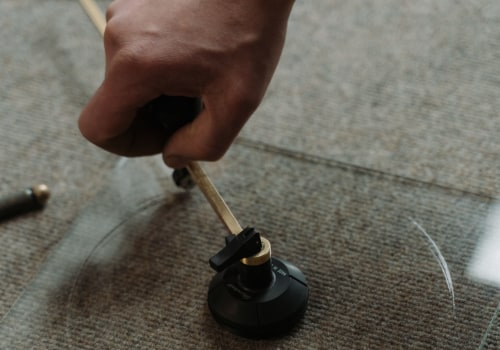
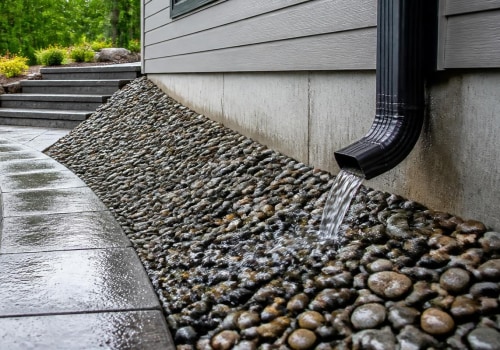
Hardscape construction may involve patios, walkways, retaining walls, pavers, and other permanent outdoor features. While the finished project is highly visible, much of the work behind it depends on equipment performing repeatable movements. Cutting, drilling, positioning, grading, and material handling all require machinery to move components through controlled distances.
That same principle of accuracy applies across many industrial applications. When a machine needs to know exactly where a moving component is located, measurement technology can provide valuable position feedback.
What Position Measurement Adds to Machinery
Mechanical movement can be difficult to monitor consistently without an appropriate measurement device. A UniMeasure linear motion sensor can detect the position or displacement of a moving component, providing information that can be used for monitoring, testing, or machine control.
Rather than simply indicating whether something is moving, the sensor can provide measurable information about how far a component has traveled. This can be particularly useful when equipment must repeat a specific movement or when engineers need to observe mechanical performance.
How a Linear Motion Sensor Works
A linear motion sensor is designed to measure movement along a straight path. Depending on the sensor design and application, it may be installed alongside a moving shaft, actuator, slide, or other mechanical component.
As the component changes position, the sensor produces an output corresponding to that movement. Engineers can then use the resulting data within a monitoring or control system.
Applications may include:
- Machinery position monitoring
- Automated equipment
- Material-handling systems
- Mechanical testing
- Industrial process equipment
- Actuator and motion control systems
For equipment associated with hardscape construction, similar measurement principles can apply to machinery where controlled movement contributes to consistent work.
What Should Engineers Consider Before Buying?
Sensor selection should begin with the machine rather than the product catalog. Engineers should determine the required travel distance, mounting arrangement, operating environment, output requirements, and expected frequency of movement.
Durability can also matter when equipment operates around dust, vibration, moisture, or other demanding conditions. The sensor's physical dimensions and installation method should be evaluated as well, since even an accurate product may not be practical if it cannot fit the available space.
Choosing a supplier with experience in displacement measurement can make this evaluation easier. UniMeasure Inc offers sensor solutions designed for a range of engineering and measurement applications, helping customers identify products that align with their equipment requirements.
Bring Greater Precision to Your Next Project
The careful measurements behind hardscape construction reflect a broader engineering principle: controlled movement produces more predictable results. Whether equipment is shaping materials for an outdoor project or performing a specialized industrial process, dependable position data can support better monitoring and control.
If your application requires accurate displacement measurement, contact UniMeasure Inc today to discuss your requirements and find a suitable sensor solution for your equipment.