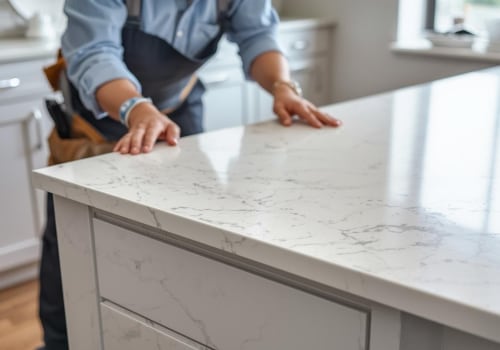
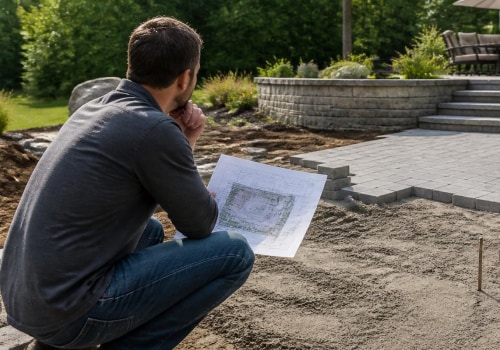
Hardscape construction refers to the non-plant elements of landscape design, encompassing a variety of materials and structures that enhance outdoor spaces. This includes features such as patios, walkways, retaining walls, and driveways, which are typically made from durable materials like stone, concrete, and brick. By integrating these elements into a landscape, hardscape construction provides both functionality and aesthetic appeal, creating defined areas for activities and improving the overall organization of outdoor environments. Understanding the distinction between hardscape and softscape is crucial for anyone looking to design or renovate their outdoor space. While hardscape focuses on the solid structures that form the backbone of a landscape, softscape involves the living elements such as plants, trees, and grass.
The interplay between these two components is essential; hardscapes provide stability and structure, while softscapes add color, texture, and life. Together, they create a balanced and harmonious environment that can be both beautiful and functional. In essence, hardscape construction is not just about laying down bricks or stones; it’s about creating a cohesive outdoor experience that enhances usability and visual appeal. Whether you’re looking to create a serene garden retreat or a vibrant entertainment area, understanding the principles of hardscape can significantly influence your design choices and ultimately lead to a more satisfying outdoor space.
Enhancing Aesthetic Appeal
When it comes to outdoor spaces, hardscape construction plays a pivotal role in enhancing the overall aesthetic appeal. Elements such as patios, walkways, and retaining walls not only serve functional purposes but also contribute significantly to the visual design of a landscape.Patios
are often the centerpiece of outdoor living areas.They provide a defined space for relaxation and entertainment, allowing homeowners to create inviting environments for gatherings. The choice of materials—be it natural stone, pavers, or concrete—can dramatically influence the look and feel of the patio. For instance, a rustic flagstone patio can evoke a warm, natural ambiance, while sleek concrete pavers can lend a modern touch.
Walkways
guide visitors through gardens and yards, enhancing both functionality and beauty. A well-designed walkway can lead the eye through various landscape features, creating a sense of flow and continuity.Incorporating curves or unique patterns can add visual interest, while materials like brick or gravel can complement surrounding plants and structures.
Retaining walls
serve as both structural elements and design features. They can transform sloped areas into usable space while adding depth and dimension to the landscape. By using different textures and colors in wall materials, homeowners can create striking contrasts that enhance the overall design. Additionally, incorporating built-in planters or seating into retaining walls can further enrich the aesthetic appeal.Incorporating hardscape elements into landscaping design not only elevates the beauty of outdoor spaces but also increases property value.A thoughtfully designed hardscape can create a cohesive look that ties together various elements of the landscape, making it more visually appealing and inviting.Ultimately, the aesthetic benefits of hardscape construction are profound. By carefully selecting materials and designs that complement natural surroundings, homeowners can create stunning outdoor environments that reflect their personal style while enhancing the overall charm of their property.
Increasing Property Value
Investing in hardscape construction can significantly enhance the overall value of your property. Homeowners often overlook the impact that well-designed outdoor spaces can have on their property’s marketability and appeal. By incorporating elements such as patios, walkways, retaining walls, and decorative stone features, you not only improve the aesthetics of your home but also create functional spaces that potential buyers find attractive.One of the primary benefits of hardscaping is its ability to provide a strong return on investment (ROI).According to various real estate studies, properties with well-executed hardscape features can see an increase in value ranging from 10% to 20%. This increase is particularly evident in areas where outdoor living spaces are highly sought after. Buyers are often willing to pay a premium for homes that offer inviting outdoor environments, making hardscape construction a smart financial decision.
- Enhanced Curb Appeal: A beautifully designed hardscape can elevate the first impression of your home, attracting more potential buyers.
- Low Maintenance: Unlike traditional landscaping, hardscapes require less upkeep, which is appealing to many homeowners.
- Functional Outdoor Spaces: Hardscaping creates areas for entertainment and relaxation, adding to the livable space of your home.
In contrast to softscapes, which may require frequent replacement or maintenance, hardscapes provide a lasting solution that enhances property value.In conclusion, hardscape construction is more than just an aesthetic upgrade; it is a strategic investment that can lead to substantial increases in property value and ROI. By creating appealing and functional outdoor spaces, homeowners can enjoy both immediate benefits and long-term financial gains.
Low Maintenance Requirements
One of the most significant advantages of hardscape construction is its low maintenance requirements. Unlike traditional landscaping, which often demands regular upkeep such as mowing, watering, and fertilizing, hardscapes provide a more practical solution for homeowners seeking to minimize their maintenance efforts.With hardscaping elements like patios, walkways, and retaining walls, the need for constant care is drastically reduced. Here are some key points highlighting the benefits of hardscaping in terms of maintenance:- Durability: Hardscape materials such as stone, concrete, and brick are designed to withstand the elements.
They do not require the same level of care as plants, which can be susceptible to pests and diseases.
- Weed Control: Hardscapes significantly reduce the growth of weeds. By covering the ground with non-porous materials, homeowners can enjoy a cleaner look without the hassle of frequent weeding.
- Water Conservation: Hardscaping reduces the need for irrigation systems that are essential for traditional gardens. This not only saves water but also lowers utility bills.
- Seasonal Resilience: Hardscape features remain visually appealing throughout the year, regardless of seasonal changes. Unlike plants that may wilt or die in extreme weather conditions, hardscapes maintain their integrity and aesthetic appeal.
This makes it an ideal choice for busy individuals or families who want a beautiful yard without the extensive upkeep.Ultimately, investing in hardscape construction not only enhances the visual appeal of your property but also provides a practical solution that aligns with a modern lifestyle focused on efficiency and ease.
Functional Outdoor Spaces
Hardscape construction plays a pivotal role in creating functional outdoor spaces that enhance the usability of your property. By integrating elements such as patios, walkways, and retaining walls, hardscapes provide a solid foundation for various outdoor activities, making them essential for any well-designed landscape.One of the primary benefits of hardscaping is its ability to transform your yard into an outdoor living space. These areas can serve multiple purposes, from hosting family gatherings to providing a serene spot for relaxation. Here are some key functional benefits:- Entertainment Areas: Hardscapes can be designed to include outdoor kitchens, fire pits, and seating areas, making them perfect for entertaining guests.
A well-constructed patio can serve as the focal point for summer barbecues or evening get-togethers.
- Defined Spaces: By using hardscape materials, you can create distinct zones within your yard. This helps in organizing activities such as dining, lounging, or gardening, allowing for a more structured and enjoyable outdoor experience.
- Low Maintenance: Unlike traditional gardens that require regular upkeep, hardscapes are generally low maintenance. They do not need watering or mowing, which means you can spend more time enjoying your outdoor space rather than maintaining it.
- Accessibility: Hardscaping improves accessibility in your yard. Walkways and ramps can make it easier for everyone to navigate the space, including children and individuals with mobility challenges.
Whether you envision a cozy nook for reading or a vibrant area for socializing, hardscape construction provides the versatility needed to bring your outdoor dreams to life.
Environmental Benefits of Hardscaping
Hardscape construction offers numerous environmental benefits that contribute to sustainable landscaping practices. By integrating hardscape elements such as patios, walkways, and retaining walls, homeowners can significantly enhance their outdoor spaces while promoting ecological health.Water Conservation
One of the primary advantages of hardscaping is its ability to aid in water conservation. Traditional lawns often require extensive irrigation, leading to water wastage. In contrast, hardscape features can be designed to manage rainwater effectively.For instance, permeable pavers allow rainwater to seep through, replenishing groundwater supplies and reducing runoff. This not only conserves water but also minimizes the risk of flooding in urban areas.
Erosion Control
Another significant benefit of hardscape construction is its role in erosion control. Sloped landscapes are particularly vulnerable to soil erosion caused by heavy rainfall. By incorporating retaining walls and terraces, hardscaping can stabilize soil and prevent erosion.These structures help maintain the integrity of the landscape while also enhancing its aesthetic appeal.
Sustainable Hardscape Options
When considering hardscape construction, opting for sustainable materials is crucial. Many eco-friendly options are available, such as recycled concrete, natural stone, and sustainably sourced wood. These materials not only reduce the environmental footprint of your project but also contribute to a more sustainable ecosystem.Eco-Friendly Landscaping
Incorporating hardscaping into your landscape design can lead to a more eco-friendly environment. By reducing the need for chemical fertilizers and pesticides typically used on lawns, hardscaping promotes healthier soil and air quality.Additionally, well-planned hardscape designs can create habitats for local wildlife, further enhancing biodiversity.In summary, the environmental benefits of hardscape construction are multifaceted. From conserving water and controlling erosion to utilizing sustainable materials and promoting eco-friendly practices, hardscaping plays a vital role in creating landscapes that are both beautiful and environmentally responsible.
FAQs About Hardscape Construction
When considering hardscape construction, many homeowners have questions that can help clarify the process and its benefits. Here are some frequently asked questions:- What is hardscaping? Hardscaping refers to the non-plant elements of landscaping, including patios, walkways, retaining walls, and other structures made from materials like stone, concrete, and wood. It plays a crucial role in defining outdoor spaces.
- How does hardscape construction benefit my property? Investing in hardscape construction enhances your property's aesthetic appeal, increases functionality, and can even boost property value.
Well-designed hardscapes create usable outdoor areas for entertainment and relaxation.
- Is hardscaping low maintenance? Yes, one of the significant advantages of hardscaping is its low maintenance requirements compared to traditional landscaping. Hardscape features typically require minimal upkeep, saving you time and effort.
- Can hardscaping help with drainage issues? Absolutely! Properly designed hardscape elements can improve drainage around your home, preventing water accumulation and potential damage to your foundation.
- Are there any misconceptions about hardscaping? A common misconception is that hardscaping is only about aesthetics. In reality, it also serves practical purposes such as improving accessibility and managing water runoff.
Conclusion: The Lasting Impact of Hardscape Construction
In conclusion, hardscape construction offers a multitude of benefits that can significantly enhance the functionality and aesthetic appeal of outdoor spaces. By integrating elements such as patios, walkways, retaining walls, and decorative stone features, property owners can create environments that are not only visually stunning but also practical and durable.One of the primary advantages of hardscape construction is its ability to improve landscape functionality.Well-designed hardscapes provide essential pathways for movement, define outdoor living areas, and facilitate better drainage. This functionality is crucial for maintaining a safe and accessible environment.Moreover, hardscaping contributes to increased property value. Properties with well-executed hardscape features often attract higher offers in the real estate market. Potential buyers appreciate the low maintenance and long-lasting nature of these installations, making them a wise investment.Additionally, hardscape construction plays a vital role in environmental sustainability.
By using permeable materials and incorporating native plants into the design, hardscapes can help manage stormwater runoff and reduce erosion. This not only benefits the property but also contributes positively to the surrounding ecosystem.Finally, the aesthetic appeal of hardscaping cannot be overstated. With a variety of materials, colors, and designs available, homeowners can customize their outdoor spaces to reflect their personal style while enhancing the overall beauty of their property.In summary, considering hardscape construction is essential for anyone looking to elevate their outdoor living experience. The combination of functionality, increased property value, environmental benefits, and aesthetic enhancement makes it a worthwhile investment for any homeowner.