In the realm of landscaping, hardscape construction plays a pivotal role in defining outdoor spaces. Unlike traditional landscaping, which focuses primarily on plants and greenery, hardscaping incorporates non-plant elements such as patios, walkways, retaining walls, and other structural features. These components not only enhance the aesthetic appeal of a property but also provide functional benefits, making them essential for any comprehensive landscape design. Understanding what constitutes hardscape is crucial for homeowners and landscape professionals alike. Hardscape features can range from simple stone pathways to elaborate outdoor kitchens and fire pits.
Each element serves a specific purpose, whether it’s facilitating movement through a garden or creating inviting areas for social gatherings. The integration of these features requires careful planning and execution to ensure they complement the natural surroundings while meeting the needs of the users. As we delve deeper into the intricacies of hardscape construction, it becomes evident that one of the most significant considerations is irrigation. Proper irrigation systems are vital for maintaining the health of adjacent plant life and ensuring that hardscape elements remain functional and visually appealing over time. Understanding how to effectively manage water resources in conjunction with hardscape installations is essential for achieving a balanced and sustainable landscape.
The Importance of Irrigation in Hardscape Projects
In the realm of hardscape construction, the integration of effective irrigation systems is not merely an afterthought; it is a fundamental component that significantly influences the overall success of a project.Proper irrigation ensures that the plants and landscaping elements surrounding hardscapes thrive, thereby enhancing the aesthetic appeal and functionality of outdoor spaces.
Irrigation in hardscaping
serves multiple purposes, primarily focusing on maintaining plant health. Plants require consistent moisture to grow and flourish, especially in areas where hard surfaces can lead to increased heat and reduced soil moisture. Without adequate irrigation, plants may suffer from stress, leading to stunted growth or even death, which can detract from the beauty of a hardscape installation.Moreover, an efficient irrigation system contributes to the longevity of both plants and hardscape materials. For instance, when plants are well-watered, they can better withstand environmental stresses such as drought or extreme temperatures.This resilience not only preserves the integrity of the landscape but also minimizes the need for costly replacements or repairs in the future.
- Enhanced Aesthetics: A well-planned irrigation system ensures that greenery remains lush and vibrant, complementing the hardscape features.
- Water Conservation: Modern irrigation technologies, such as drip systems and smart controllers, allow for targeted watering, reducing waste and promoting sustainability.
- Soil Health: Consistent moisture levels help maintain soil structure and nutrient availability, which are crucial for plant health.
Types of Irrigation Systems Suitable for Hardscapes
When planning hardscape construction, selecting the right irrigation system is crucial for maintaining the health of surrounding plants and ensuring the longevity of hardscape features. Here, we will explore various types of irrigation systems that can be effectively integrated into hardscape designs.Drip Irrigation Systems
Drip irrigation is a highly efficient method that delivers water directly to the root zone of plants through a network of tubing and emitters. This system minimizes water waste and reduces evaporation, making it ideal for areas with limited water supply.Additionally, drip systems can be easily concealed within hardscape elements, such as under pavers or within planter beds.
Sprinkler Systems
Sprinkler systems are another popular choice for irrigating hardscapes. They can cover larger areas and are suitable for lawns and flower beds adjacent to hardscape features. However, they may not be as efficient as drip systems due to potential overspray and evaporation losses. When installing sprinklers, it’s essential to consider the layout to avoid watering hard surfaces unnecessarily.Soaker Hoses
Soaker hoses are a flexible option that allows water to seep out slowly along their length.They can be laid out in garden beds or around hardscape features, providing consistent moisture to plants without excessive runoff. This method is particularly useful for newly planted areas where roots need extra care.
Comparing Drip vs. Sprinkler Systems
- Efficiency: Drip systems are generally more efficient than sprinklers, delivering water directly to the soil.
- Installation: Drip systems require more initial setup but can be integrated seamlessly into hardscapes.
- Maintenance: Both systems require regular maintenance; however, drip systems may need emitter checks to prevent clogging.
- Cost: While drip systems may have higher upfront costs, they often lead to savings in water bills over time.
Designing an Effective Irrigation Plan for Hardscapes
Designing an effective irrigation plan for hardscape construction requires a thoughtful approach that considers both the hardscape elements and the surrounding plant life.A well-planned irrigation system not only conserves water but also enhances the longevity and aesthetic appeal of your hardscape features.
1.Assessing Water Needs
- Evaluate the types of plants integrated into your hardscape. Different species have varying water requirements, which should be factored into your irrigation design.
- Consider the microclimates created by hardscape materials. For instance, areas with stone or concrete may retain heat and require more frequent watering.
- Drip Irrigation: Ideal for flower beds and shrubs, drip systems deliver water directly to the root zone, minimizing evaporation and runoff.
- Sprinkler Systems: Best suited for larger areas, these systems can be adjusted to target specific zones, ensuring even coverage without overwatering.
- Soaker Hoses: These are effective for garden beds adjacent to hardscapes, allowing for slow absorption of water into the soil.
- Utilize smart controllers that adjust watering schedules based on weather conditions, ensuring optimal moisture levels without waste.
- Consider soil moisture sensors that provide real-time data, allowing for precise irrigation tailored to current needs.
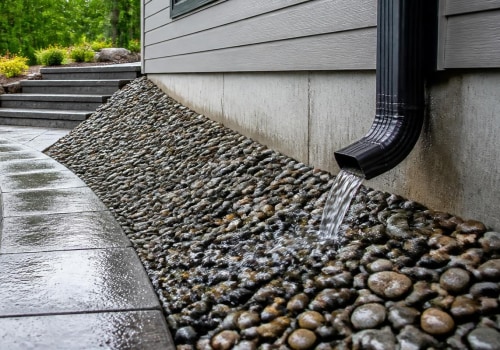
- Ensure that your irrigation plan includes proper drainage solutions to prevent water pooling around hardscape features, which can lead to structural damage over time.
- Incorporate permeable materials in your hardscape design to facilitate natural water absorption and reduce runoff.
Common Challenges in Irrigation for Hardscape Construction
When it comes to hardscape construction, effective irrigation is crucial for maintaining the health of surrounding plants and ensuring the longevity of hardscape materials. However, several common challenges can arise during the irrigation process.- Water Distribution: One of the primary issues in hardscape irrigation is achieving uniform water distribution.
Hard surfaces can create runoff, leading to uneven watering. To combat this, consider using drip irrigation systems that deliver water directly to the root zones of plants.
- Soil Compaction: The installation of hardscapes often leads to soil compaction, which can hinder water absorption. To address this, aerate the soil before laying down hardscape materials and incorporate organic matter to improve soil structure.
- Drainage Problems: Poor drainage can result in standing water, which not only affects plant health but can also damage hardscape features. Ensure proper grading and install drainage systems where necessary to redirect excess water away from hardscapes.
- Irrigation System Maintenance: Regular maintenance of irrigation systems is essential to prevent clogs and leaks.
Schedule routine checks to ensure that all components are functioning correctly and replace any damaged parts promptly.
Maintenance Tips for Irrigation Systems in Hardscapes
Maintaining irrigation systems in hardscape construction is crucial for ensuring that your landscape remains healthy and vibrant. Here are some practical tips to help you keep your irrigation systems in top shape:- Regular Inspections: Schedule routine checks of your irrigation system at least twice a year.
Look for any signs of wear and tear, leaks, or blockages in the pipes and emitters.
- Adjust Sprinkler Heads: Ensure that sprinkler heads are properly aligned and not obstructed by plants or hardscape features. This will help achieve even water distribution and prevent overwatering.
- Clean Filters and Emitters: Clogged filters can reduce water flow, so it’s essential to clean them regularly. Remove any debris from emitters to maintain optimal performance.
- Check for Leaks: Inspect all connections and hoses for leaks. Even small leaks can lead to significant water loss over time, impacting both your water bill and the health of your plants.
- Seasonal Adjustments: Adjust the watering schedule based on seasonal changes.
During cooler months, reduce watering frequency to prevent over-saturation of the soil.
- Winterization: In colder climates, it’s important to winterize your irrigation system. Drain all water from the pipes to prevent freezing and cracking.
FAQs About Irrigation in Hardscape Construction
When it comes to hardscape construction, understanding the intricacies of irrigation is crucial for maintaining the longevity and aesthetics of your outdoor spaces. Here are some frequently asked questions that can help clarify common doubts:- What types of irrigation systems are best for hardscapes? Drip irrigation and soaker hoses are often recommended for hardscape areas, as they provide targeted watering without oversaturating the surrounding materials. These systems minimize water waste and ensure that plants receive adequate moisture.
- How do I integrate irrigation into my hardscape design? Planning is key.
Consider incorporating irrigation lines during the initial design phase of your hardscape project. This allows for seamless integration, avoiding the need for disruptive retrofitting later on.
- Can I use a timer with my irrigation system? Yes, using a timer can help automate your irrigation schedule, ensuring that your plants receive consistent watering without manual intervention. This is especially beneficial in hardscape areas where access may be limited.
- What maintenance does an irrigation system require? Regular maintenance is essential to keep your irrigation system functioning efficiently. This includes checking for clogs, adjusting spray patterns, and ensuring that all components are in good working order.
- Are there any regulations regarding irrigation in hardscape construction? Yes, local regulations may dictate specific requirements for irrigation systems, including water usage restrictions and installation standards.
Always check with local authorities to ensure compliance.
Conclusion: Key Takeaways on Irrigation in Hardscape Construction
In summary, effective irrigation planning is a critical component of successful hardscape construction. As we have discussed, the integration of irrigation systems not only enhances the aesthetic appeal of hardscaped areas but also ensures the longevity and health of surrounding vegetation. Here are the key takeaways:- Assessing Site Conditions: Before beginning any hardscape project, it is essential to evaluate the specific site conditions, including soil type, drainage patterns, and existing vegetation. This assessment will inform the design of an appropriate irrigation system.
- Choosing the Right Irrigation System: Different types of irrigation systems, such as drip irrigation or sprinkler systems, offer various benefits.
Selecting the right system based on the landscape's needs can optimize water usage and promote healthy plant growth.
- Water Efficiency: Incorporating water-efficient practices and technologies can significantly reduce water waste. Utilizing smart controllers and rain sensors can help manage irrigation schedules effectively.
- Maintenance Considerations: Regular maintenance of both hardscape features and irrigation systems is vital. This includes checking for leaks, ensuring proper coverage, and adjusting settings based on seasonal changes.
- Compliance with Local Regulations: Understanding and adhering to local water use regulations is crucial. This not only helps in conserving water but also avoids potential fines or penalties.
Ultimately, a well-designed irrigation system complements hardscape elements while supporting the overall health of the landscape.