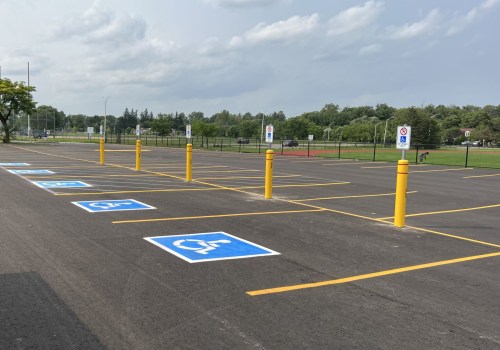
When it comes to landscaping, understanding the distinction between hardscape construction and softscape construction is essential for creating a balanced and aesthetically pleasing outdoor environment. Hardscape refers to the non-plant elements of landscaping, such as patios, walkways, retaining walls, and other structures made from materials like stone, concrete, and wood. These features provide functionality and structure to a landscape, often serving as the backbone of outdoor design. On the other hand, softscape encompasses the living elements of landscaping, including plants, trees, flowers, and soil. While hardscape provides durability and permanence, softscape introduces color, texture, and life to outdoor spaces.
The interplay between these two components is crucial; a well-designed landscape harmonizes both hardscape and softscape elements to create an inviting atmosphere. As we delve deeper into the differences between hardscape and softscape construction, it becomes clear that each plays a unique role in landscaping. Understanding these roles not only enhances aesthetic appeal but also contributes to the functionality and sustainability of outdoor spaces. Whether you are planning a new garden or renovating an existing landscape, recognizing how hardscape construction complements softscape will guide you in making informed design choices.
What is Hardscape Construction?
Hardscape construction refers to the non-plant elements of landscape design, encompassing a variety of materials and structures that create functional and aesthetic outdoor spaces. Unlike softscape, which involves living elements like plants and trees, hardscape focuses on the permanent features that enhance the usability and visual appeal of an area.Common hardscape materials include:- Pavers: These are versatile stones or bricks used for patios, walkways, and driveways.
- Concrete: A durable option for various applications, including slabs, walls, and decorative features.
- Natural Stone: Materials like granite, slate, and limestone are often used for their beauty and longevity.
- Wood: Treated lumber is frequently used for decks, fences, and pergolas.
- Metal: Elements such as railings or decorative features can add a modern touch to hardscapes.
- Patios: Outdoor living spaces made from pavers or concrete that serve as gathering areas.
- Walkways: Pathways that guide visitors through gardens or yards, enhancing accessibility.
- Retaining Walls: Structures that hold back soil and create level areas in sloped landscapes.
- Fire Pits: Built-in features that provide warmth and ambiance for outdoor gatherings.
- Driveways: Durable surfaces designed to withstand vehicle traffic while complementing the home’s exterior.
By carefully selecting materials and designs, homeowners can create inviting environments that blend seamlessly with their natural surroundings.
What is Softscape Construction?
Softscape construction refers to the living elements of landscape design, which primarily include plants, trees, shrubs, and other organic materials. Unlike hardscape construction, which focuses on non-living elements like stone, concrete, and wood, softscape emphasizes the natural beauty and ecological benefits of vegetation.Softscape Materials
The materials used in softscape construction are diverse and can be categorized into several types:- Plants: This includes a variety of flowers, grasses, shrubs, and trees that contribute to the aesthetic appeal and biodiversity of a landscape.
- Soil: Quality soil is essential for plant health. It provides nutrients and support for root systems.
- Mulch: Organic or inorganic mulch helps retain moisture in the soil, suppress weeds, and improve the overall appearance of garden beds.
- Compost: This organic material enriches the soil with nutrients, promoting healthy plant growth.
Softscape Examples
Softscape elements can be found in various settings, enhancing both residential and commercial landscapes. Some common examples include:- Flower Beds: Colorful arrangements of annuals and perennials that add vibrancy to outdoor spaces.
- Lawn Areas: Grassy expanses that provide recreational space and contribute to the overall green aesthetic.
- Garden Pathways: Softscape can also include pathways lined with plants or bordered by flower beds, creating a seamless transition between hardscape features.
- Trees and Shrubs: These provide shade, privacy, and habitat for wildlife while enhancing the visual appeal of a property.
Understanding the differences between softscape and hardscape construction is essential for creating balanced and sustainable outdoor environments.
Key Differences Between Hardscape and Softscape Construction
When comparing hardscape construction to softscape construction, several key differences emerge that can significantly impact the overall design and functionality of a landscape. Understanding these distinctions is crucial for homeowners and landscapers alike.Design Elements
Hardscape refers to the non-plant elements of landscaping, such as patios, walkways, retaining walls, and other structures made from materials like stone, concrete, and wood. These elements provide structure and form to a landscape. In contrast, softscape encompasses the living components, including plants, trees, and soil.The design of hardscape features often focuses on durability and aesthetics, while softscape design emphasizes growth patterns and seasonal changes.
Functionality
The functionality of hardscape versus softscape also varies significantly. Hardscape elements are typically designed for utility; they create usable spaces for activities such as entertaining or gardening. Softscape elements contribute to the ecosystem by providing shade, improving air quality, and supporting wildlife. Therefore, while hardscapes offer immediate usability, softscapes enhance the environment over time.Maintenance Requirements
Maintenance is another area where hardscape and softscape diverge.Hardscape construction generally requires less ongoing maintenance compared to softscape. Once installed, hardscapes need occasional cleaning and repairs but do not require watering or fertilization. On the other hand, softscapes demand regular care, including watering, pruning, and pest management to thrive.
Cost Considerations
Cost is a significant factor in choosing between hardscape and softscape options. Initial installation of hardscapes can be more expensive due to materials and labor costs.However, their longevity can make them a cost-effective choice in the long run. Softscapes may have lower upfront costs but can incur higher maintenance expenses over time. In summary, understanding the differences between hardscape and softscape construction is essential for effective landscape planning. Each type serves unique purposes that contribute to the overall beauty and functionality of outdoor spaces.
Benefits of Hardscape Construction
Incorporating hardscape construction into your landscaping projects offers numerous advantages that can enhance both the functionality and aesthetic appeal of your outdoor spaces. Here are some key benefits:- Durability: One of the most significant advantages of hardscaping is its durability.
Materials such as stone, concrete, and brick are designed to withstand the elements, making them ideal for long-term use. Unlike softscapes, which may require frequent replacement or repair, hardscapes can last for decades with minimal wear.
- Low Maintenance: Hardscape features typically require less maintenance compared to their softscape counterparts. Once installed, they do not need regular watering, mowing, or fertilizing. This makes hardscaping an excellent choice for homeowners looking to reduce their upkeep efforts while still enjoying a beautiful landscape.
- Versatility: Hardscape construction allows for a wide range of design possibilities.
From patios and walkways to retaining walls and outdoor kitchens, the options are virtually limitless. This versatility enables homeowners to create unique outdoor environments that reflect their personal style and meet their specific needs.
- Increased Property Value: Well-designed hardscape elements can significantly enhance the curb appeal of a property. Potential buyers often view these features as valuable additions, which can lead to an increase in property value. Investing in hardscaping can be a smart financial decision for homeowners looking to sell in the future.
- Erosion Control: Hardscaping can help manage soil erosion effectively.
By incorporating features like retaining walls or gravel pathways, you can stabilize slopes and prevent soil runoff during heavy rains, protecting your landscape investment.
Benefits of Softscape Construction
Softscape construction offers a multitude of benefits that enhance both the aesthetic appeal and environmental sustainability of outdoor spaces. Unlike hardscape, which focuses on non-plant elements, softscape emphasizes the use of living plants, soil, and organic materials, creating a dynamic and vibrant landscape.Aesthetic Appeal
One of the primary advantages of softscape construction is its ability to create visually stunning environments. The use of flowers, shrubs, and trees adds color, texture, and depth to any landscape.Seasonal changes in plant life provide a constantly evolving scenery, making gardens and yards more engaging throughout the year.
Environmental Impact
Softscaping plays a crucial role in promoting environmental health. Plants improve air quality by absorbing carbon dioxide and releasing oxygen. They also help in managing stormwater runoff by allowing water to permeate the soil, reducing erosion and flooding risks. Additionally, softscapes provide habitats for wildlife, supporting biodiversity in urban areas.Benefits for Homeowners
- Increased Property Value: Well-designed softscapes can significantly enhance curb appeal, leading to higher property values.
- Energy Efficiency: Trees strategically placed around a home can provide shade, reducing cooling costs in the summer.
- Low Maintenance Options: Many native plants require less water and care, making them ideal for homeowners seeking low-maintenance landscaping solutions.
With its numerous advantages, softscaping is an excellent choice for those looking to create sustainable and attractive landscapes.
How to Integrate Hardscape and Softscape in Landscaping Projects
Integrating hardscape construction and softscape elements in landscaping projects can create a harmonious outdoor space that is both functional and aesthetically pleasing. Here are some effective tips to achieve this balance:- Plan Your Layout: Start with a comprehensive design plan that outlines where hardscape features, such as patios, walkways, and retaining walls, will be placed in relation to softscape elements like plants and lawns. This ensures that both components complement each other.
- Choose Complementary Materials: Select materials for your hardscape that harmonize with the colors and textures of your softscape. For instance, natural stone pathways can beautifully contrast with vibrant flower beds, enhancing the overall visual appeal.
- Create Focal Points: Use hardscape features to draw attention to specific areas of your landscape.
A well-placed bench or a decorative stone wall can serve as a focal point that highlights surrounding plants and flowers.
- Consider Scale and Proportion: Ensure that the size of your hardscape elements is proportionate to the softscape. Large patios may overwhelm small gardens, while tiny walkways can get lost in expansive lawns. Balance is key.
- Incorporate Pathways: Design pathways that guide visitors through your garden while connecting hardscape and softscape areas. This not only enhances accessibility but also encourages exploration of the landscape.
- Utilize Vertical Space: Incorporate vertical elements like trellises or raised planters to add dimension.
These can provide a backdrop for climbing plants while integrating seamlessly with hardscaped areas.
Common Misconceptions About Hardscape and Softscape Construction
When it comes to landscaping, many people hold misconceptions about the differences between hardscape construction and softscape construction. Understanding these differences is crucial for making informed decisions about your outdoor space.Myth 1: Hardscaping is Just About Patios and Walkways
While hardscape construction often includes patios, walkways, and retaining walls, it also encompasses a variety of other elements such as outdoor kitchens, fire pits, and decorative stone features. These components can significantly enhance the functionality and aesthetic appeal of your landscape.Myth 2: Softscaping Requires Less Maintenance
Many believe that softscaping, which involves plants and greenery, is inherently low-maintenance. However, this is not always the case.Certain plants require regular pruning, watering, and pest control. In contrast, hardscapes can often be easier to maintain in the long run, as they do not require the same level of care.
Myth 3: Hardscapes Are Only for Urban Environments
Another common misconception is that hardscape construction is only suitable for urban settings. In reality, hardscaping can be effectively integrated into rural and suburban landscapes as well. It can help define spaces, create pathways, and provide structure to gardens regardless of location.Common Questions
- Can hardscaping be eco-friendly?
Yes! Many hardscape materials are sustainable and can be designed to manage water runoff effectively. - Is it possible to combine hardscape and softscape?
Absolutely! A well-designed landscape often incorporates both elements to create a balanced and inviting outdoor space. - What are the costs associated with each type?
Costs can vary widely based on materials and design complexity; however, hardscaping typically involves higher upfront costs due to material expenses.
Conclusion: Choosing Between Hardscape and Softscape Construction
In conclusion, the choice between hardscape construction and softscape construction ultimately depends on your specific needs, preferences, and the overall vision for your outdoor space.Both elements play crucial roles in landscape design, but they serve different purposes and offer distinct benefits.Key Considerations:
- Functionality: Consider how you plan to use your outdoor area. If you need durable surfaces for entertaining or parking, hardscaping may be the better option. Conversely, if you desire a lush garden or a space for relaxation, softscaping will be essential.
- Aesthetic Appeal: Think about the visual impact you want to achieve. Hardscape features like patios, walkways, and retaining walls can provide structure and formality, while softscape elements such as plants and trees add color and life.
- Maintenance: Evaluate your willingness to maintain your landscape.
Hardscapes generally require less upkeep than softscapes, which need regular watering, pruning, and care.
- Climate Considerations: Your local climate can influence your decision. In arid regions, hardscaping may be more practical, while in temperate zones, a balance of both can create a harmonious environment.