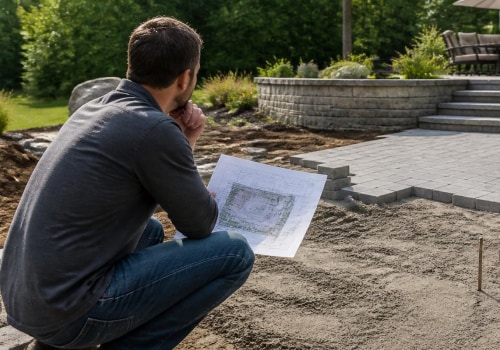
Hardscape construction refers to the non-plant elements of landscaping, encompassing a variety of materials and structures that enhance outdoor spaces. This includes features such as patios, walkways, retaining walls, and driveways, which are essential for creating functional and aesthetically pleasing environments. Unlike softscape, which involves living elements like plants and trees, hardscape focuses on the durable components that provide structure and usability to a landscape.The importance of hardscape construction in landscaping cannot be overstated. It not only defines the layout and flow of outdoor areas but also contributes to the overall value of a property.
Well-designed hardscape elements can improve accessibility, create defined spaces for activities, and even reduce maintenance needs by minimizing grassy areas that require regular upkeep. Furthermore, hardscaping can enhance the visual appeal of a property, making it more inviting and enjoyable for residents and guests alike.There are several types of hardscape elements that homeowners and landscapers can choose from. Common options include patios, which provide outdoor living spaces; walkways, which guide foot traffic; retaining walls, which help manage soil erosion; and decks, which extend living areas into the outdoors. Other features like fire pits, water features, and decorative stonework can also be incorporated to add character and functionality to a landscape.
Understanding these various types is crucial for anyone considering a hardscape project, especially when navigating the necessary permits for construction.
Why Permits are Necessary for Hardscape Construction
Obtaining permits for hardscape construction is not merely a bureaucratic hurdle; it serves essential legal and safety purposes. Understanding why these permits are necessary can help homeowners and contractors alike navigate the complexities of construction projects.Legal Compliance
- Many municipalities have specific regulations governing hardscape projects, including zoning laws, building codes, and environmental guidelines. Failing to secure the appropriate permits can lead to legal repercussions, including fines or mandatory removal of the constructed features.
- Permits ensure that the construction adheres to local standards, which are designed to protect both the property owner and the community at large.
Safety Considerations
- Hardscape elements such as patios, walkways, and retaining walls must be built to withstand various environmental factors. Permits often require inspections that verify structural integrity and safety.
- By obtaining the necessary permits, you reduce the risk of accidents or injuries that could arise from improperly constructed hardscape features.
Benefits of Compliance
- Securing permits can enhance the value of your property.
Future buyers will appreciate knowing that all construction was completed legally and safely.
- In many cases, insurance companies may require proof of permits before covering any damages related to hardscape features. This compliance can save you from potential financial losses.
Types of Permits Required for Hardscape Construction
When embarking on a hardscape construction project, understanding the types of permits required is crucial to ensure compliance with local regulations. The specific permits needed can vary significantly based on the project's scope, location, and the materials used.Here are the primary types of permits you may encounter:
- Building Permits: These are often the most common permits required for any construction project, including hardscaping. A building permit ensures that your project meets local building codes and safety standards. It typically covers structures like patios, retaining walls, and walkways.
- Zoning Permits: Zoning permits are necessary to confirm that your hardscape construction complies with local zoning laws. These laws dictate how land can be used and may affect the size, height, and placement of your hardscape features.
For instance, if you're planning to build a large deck or a stone wall, you may need to verify that it adheres to zoning regulations.
- Environmental Permits: If your hardscape project impacts natural resources or occurs in environmentally sensitive areas, you may need environmental permits. These permits ensure that your construction does not harm local ecosystems or violate environmental protection laws. For example, if you're working near wetlands or protected habitats, additional scrutiny will be required.
The Permit Application Process
Obtaining a permit for hardscape construction is a crucial step that ensures your project complies with local regulations and safety standards.Here’s a detailed guide on how to navigate the permit application process effectively.
Step 1: Research Local Requirements
Before you begin the application process, it’s essential to research the specific requirements in your area. Different municipalities may have varying regulations regarding hardscape construction. Check your local government’s website or contact the planning department to understand what is needed.Step 2: Prepare Necessary Documentation
Gather all required documents to support your application. Commonly needed items include:- Site plans: Detailed drawings showing the layout of your hardscape features.
- Construction details: Specifications of materials and methods you plan to use.
- Property ownership proof: Documents that verify you own the property or have permission from the owner.
- Environmental impact assessments: If applicable, especially for larger projects.
Step 3: Complete the Application Form
Most jurisdictions require you to fill out a specific application form for construction permits.Ensure that all sections are completed accurately. Incomplete applications can lead to delays or rejections.
Step 4: Submit Your Application
Once your application and supporting documents are ready, submit them to the appropriate local authority. This can often be done online, by mail, or in person, depending on your locality's procedures.Step 5: Pay Required Fees
Be prepared to pay any associated fees when submitting your application. These fees can vary widely based on the scope of your project and local regulations.Step 6: Await Approval
Your application will undergo a review process, which may take several weeks.During this time, local officials may reach out for additional information or clarification. Respond promptly to any requests to avoid delays.
Tips for a Successful Application
- Double-check all documents: Ensure everything is complete and accurate before submission.
- Consult with professionals: If you're unsure about any aspect of your application, consider hiring a contractor or architect familiar with local regulations.
- Follow up: After submission, check in with the permitting office to confirm that your application is being processed.
Working with Professionals: When to Hire an Expert
When it comes to hardscape construction, navigating the permitting process can be complex and time-consuming. Hiring a professional, such as a contractor or architect, can significantly streamline this process. Here are some scenarios where enlisting expert help is beneficial:- Complex Projects: If your hardscape project involves intricate designs or large-scale installations, a professional can help ensure that all aspects of the project meet local regulations.
- Local Knowledge: Professionals are often well-versed in local building codes and zoning laws.
Their familiarity with these regulations can prevent costly mistakes and delays.
- Time Efficiency: The permitting process can be lengthy. A contractor can manage the paperwork and communication with local authorities, allowing you to focus on other aspects of your project.
- Expertise: Professionals bring a wealth of knowledge and experience, which can lead to better design choices and construction methods.
- Compliance Assurance: They ensure that all necessary permits are obtained and that the project adheres to safety standards, reducing the risk of fines or rework.
- Project Management: A contractor can oversee the entire process, coordinating between different trades and ensuring that timelines are met.
- Permit Applications: Filling out and submitting applications accurately to avoid delays.
- Inspections: Scheduling and managing inspections required by local authorities.
- Liaison Work: Acting as a point of contact between you and regulatory bodies, simplifying communication.
Frequently Asked Questions about Hardscape Permits
When it comes to hardscape construction, understanding the permit process is crucial for a successful project. Here are some frequently asked questions that can help clarify common concerns:What types of permits are required for hardscape construction?
The types of permits needed can vary based on your location and the scope of your project.Generally, you may need:
- Building permits for structures like patios or retaining walls.
- Zoning permits to ensure compliance with local land use regulations.
- Environmental permits if your project affects protected areas or waterways.
How long does it take to obtain a hardscape permit?
The timeline for obtaining a permit can differ significantly based on local regulations and the complexity of your project. On average, you can expect:- Simple projects: 1-2 weeks.
- Moderate projects: 2-4 weeks.
- Complex projects: 4-8 weeks or more, especially if public hearings are required.
Can I start my hardscape project before receiving a permit?
No, it is essential to wait until you have received all necessary permits before beginning any construction. Starting without a permit can lead to fines, project delays, and even the requirement to remove completed work.What should I include in my permit application?
Your application should be comprehensive and may include:- A detailed site plan showing the proposed hardscape layout.
- Specifications for materials and construction methods.
- Any necessary engineering calculations or reports.
Conclusion: Key Takeaways on Hardscape Construction Permits
In summary, navigating the permitting process for hardscape construction is a critical step that can significantly impact the success of your project. Understanding the requirements and adhering to local regulations not only ensures compliance but also enhances the longevity and safety of your hardscape features.Key takeaways include:
- Research Local Regulations: Each municipality has its own set of rules regarding hardscape construction.
Familiarizing yourself with these regulations is essential to avoid fines or project delays.
- Prepare Necessary Documentation: Gather all required documents, including site plans, engineering reports, and any other relevant paperwork. This preparation can streamline the approval process.
- Consult with Professionals: Engaging with architects, landscape designers, or contractors who have experience in hardscape projects can provide valuable insights and help navigate the permitting landscape.
- Submit Applications Promptly: Timely submission of your permit applications can prevent unnecessary delays. Be proactive in following up on the status of your application.
- Be Prepared for Inspections: Many jurisdictions require inspections at various stages of construction. Ensure that your project complies with all safety and quality standards to pass these inspections smoothly.
Remember, investing time in understanding and adhering to the permitting requirements will ultimately lead to a successful and compliant installation that enhances your outdoor space.