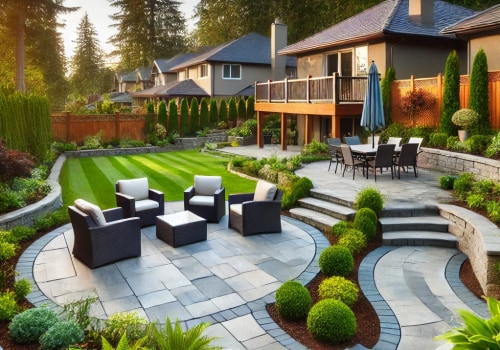
In the realm of outdoor design, hardscape construction plays a pivotal role in creating functional and aesthetically pleasing spaces. Unlike softscapes, which focus on living elements like plants and trees, hardscapes encompass the non-living features of a landscape, such as patios, walkways, and retaining walls. This foundational aspect of landscape architecture not only enhances the visual appeal of outdoor areas but also provides essential structure and durability. One of the most exciting trends in hardscape design is the integration of outdoor kitchens. These culinary spaces extend the home’s living area into the great outdoors, allowing homeowners to entertain guests and enjoy meals in a natural setting.
With various materials and styles available, outdoor kitchens can be tailored to fit any aesthetic—from rustic stone designs to sleek modern finishes. This versatility makes them a popular choice for those looking to elevate their outdoor experience. As we delve deeper into the world of hardscape construction, it becomes clear that these elements are not merely functional; they are integral to creating a cohesive outdoor environment. By understanding the significance of hardscape design, homeowners can make informed decisions that enhance their property’s value and usability. In the following sections, we will explore some popular types of outdoor kitchens that exemplify the best in hardscape construction.
Key Elements of Outdoor Kitchens in Hardscape Design
When designing an outdoor kitchen, particularly within the realm of hardscape construction, several key elements come into play that enhance both functionality and aesthetics.These components not only create a cohesive look but also ensure that the space is practical for cooking and entertaining.
- Countertops: Durable and weather-resistant materials such as granite, quartz, or concrete are popular choices for outdoor kitchen countertops. They provide ample space for food preparation and serving, while also adding a touch of elegance to the overall design.
- Grills: A high-quality grill is often the centerpiece of any outdoor kitchen. Options range from built-in gas grills to traditional charcoal models, allowing homeowners to choose based on their cooking preferences. Incorporating a grill into the hardscape design can create a seamless transition between cooking and dining areas.
- Seating Areas: Comfortable seating is essential for an inviting outdoor kitchen.
Options include built-in benches, bar stools at a countertop, or even separate dining tables. The choice of seating should complement the overall hardscape layout and provide a welcoming atmosphere for guests.
- Storage Solutions: Incorporating cabinets or drawers into the hardscape design can help keep cooking utensils and supplies organized and easily accessible. Weather-resistant materials are crucial to ensure longevity.
- Lighting: Proper lighting enhances the usability of outdoor kitchens during evening gatherings. Options such as pendant lights, under-counter lighting, or even built-in fixtures can create a warm ambiance while ensuring safety.
By carefully selecting materials and layouts that harmonize with your landscape, you can create an outdoor cooking area that is both beautiful and practical.
Popular Styles of Outdoor Kitchens
When it comes to hardscape construction, the style of your outdoor kitchen can significantly influence the overall aesthetic and functionality of your outdoor space. Here are some popular styles that homeowners often consider:Modern Outdoor Kitchens
Modern outdoor kitchens are characterized by their sleek lines, minimalist design, and integration of high-tech appliances. These kitchens often feature materials like stainless steel, concrete, and glass, creating a contemporary look that complements modern homes. Key elements include:- Open Layouts: Modern designs favor open spaces that encourage social interaction.
- Integrated Technology: Smart appliances and outdoor entertainment systems are common.
- Sustainable Materials: Eco-friendly options like recycled materials are increasingly popular.
Rustic Outdoor Kitchens
For those who prefer a more traditional feel, rustic outdoor kitchens offer warmth and charm.These kitchens often incorporate natural materials such as stone, wood, and brick, blending seamlessly with the surrounding landscape. Features of rustic outdoor kitchens include:
- Natural Stone Surfaces: Stone countertops and backsplashes add texture and character.
- Wooden Elements: Exposed beams and wooden cabinetry enhance the rustic appeal.
- Fireplaces or Fire Pits: These elements create a cozy atmosphere for gatherings.
Traditional Outdoor Kitchens
Traditional outdoor kitchens combine classic design elements with modern functionality. They often feature brick or stone construction with ornate details. Key characteristics include:- Granite Countertops: Durable and elegant, granite is a popular choice for traditional designs.
- Custom Cabinetry: Built-in storage solutions that match the home’s interior style.
- Classic Grills: Charcoal or gas grills that provide a timeless cooking experience.
By carefully selecting materials and designs that complement your home’s architecture, you can create an inviting outdoor space perfect for entertaining or relaxing with family.
Materials Used in Hardscape Outdoor Kitchens
When it comes to hardscape construction for outdoor kitchens, the choice of materials plays a crucial role in both functionality and aesthetics. Here are some of the most popular materials used:- Stone: Natural stone is a favored option for outdoor kitchens due to its durability and timeless appeal. Options like granite, slate, and limestone not only withstand the elements but also provide a unique, upscale look. Stone can be used for countertops, walls, and even flooring, creating a cohesive design.
- Brick: Brick is another classic material that offers a rustic charm.
It is highly durable and can withstand extreme weather conditions. Additionally, brick provides excellent insulation, making it ideal for outdoor cooking appliances. Its versatility allows for various design styles, from traditional to modern.
- Concrete: Concrete has gained popularity in recent years due to its affordability and versatility. It can be molded into various shapes and finishes, allowing for customized designs.
Stamped or stained concrete can mimic the appearance of more expensive materials like stone or brick while providing a solid foundation for outdoor kitchens.
By carefully selecting hardscape materials, you can create an outdoor kitchen that not only enhances your home’s value but also provides a perfect setting for entertaining family and friends.
Designing Functional Outdoor Kitchen Layouts
When it comes to designing functional outdoor kitchen layouts, careful consideration of space and usability is essential. An effective layout not only enhances the cooking experience but also integrates seamlessly with the surrounding hardscape features.One of the first steps in space planning is to assess the available area. Measure the dimensions of your outdoor space and consider how much room you need for cooking, dining, and movement. A well-planned outdoor kitchen should allow for easy access to all areas without feeling cramped.Key Elements of a Functional Outdoor Kitchen
- Work Zones: Divide your kitchen into distinct zones for cooking, preparation, and serving.
This can include a grill station, a prep area with countertops, and a bar or dining space.
- Appliance Placement: Position appliances like grills, refrigerators, and sinks within close proximity to each other to streamline the cooking process. Consider using a triangular layout for optimal efficiency.
- Seating Arrangements: Incorporate seating that encourages social interaction. Bar stools at a counter or a dining table can create a welcoming atmosphere for guests.
- Storage Solutions: Utilize cabinets and drawers to keep utensils, cookware, and supplies organized. Built-in storage can help maintain a clean and functional workspace.
These materials not only provide durability but also contribute to the overall design theme.Finally, consider the flow of movement within your outdoor kitchen. Ensure that there is enough space between work zones and seating areas to allow for easy navigation. By prioritizing these design principles, you can create an outdoor kitchen that is not only beautiful but also highly functional.
Incorporating Landscaping with Hardscape Outdoor Kitchens
Integrating landscaping with hardscape outdoor kitchens can transform your cooking space into a stunning focal point of your backyard. By thoughtfully combining natural elements with structured designs, you can create an inviting atmosphere that enhances both functionality and aesthetics.Landscaping with hardscapes
involves selecting plants and materials that complement the hard surfaces of your outdoor kitchen.Consider using native plants that thrive in your climate, as they require less maintenance and water. Incorporating greenery around your kitchen area not only softens the hard edges but also adds color and life to the space.
Choosing the Right Plants
- Herbs: Planting herbs like basil, rosemary, and thyme near your cooking area provides easy access to fresh ingredients while adding delightful aromas.
- Perennials: Choose perennials that bloom at different times throughout the year to ensure continuous color and interest.
- Ornamental Grasses: These can add texture and movement, creating a dynamic backdrop for your outdoor kitchen.
Garden design
should also take into account the flow of movement around the outdoor kitchen.Ensure that pathways are clear and accessible, allowing guests to mingle without disrupting the cooking process. Using materials like stone or pavers for walkways can create a seamless transition between the hardscape and softscape elements.Finally, lighting plays a crucial role in enhancing the ambiance of your outdoor kitchen. Incorporate soft lighting around plants and hardscape features to create a warm, inviting atmosphere for evening gatherings. By harmonizing landscaping with hardscape construction, you can achieve a cohesive design that elevates your outdoor living experience.
Maintenance Tips for Hardscape Outdoor Kitchens
Maintaining your hardscape outdoor kitchen is essential for ensuring its longevity and aesthetic appeal.With the right care, you can keep your outdoor space looking pristine and functional for years to come. Here are some practical maintenance tips to consider:
- Regular Cleaning: Clean your outdoor kitchen surfaces regularly to prevent the buildup of dirt, grease, and grime. Use a mild detergent mixed with water and a soft cloth or sponge to wipe down countertops, grills, and other surfaces.
- Seal Surfaces: For stone or paver surfaces, consider applying a sealant every few years. This helps protect against stains and weather damage, keeping your hardscape looking new.
- Inspect for Damage: Regularly check for cracks or chips in your hardscape materials.
Early detection allows for timely repairs, preventing further damage and costly fixes.
- Maintain Grills and Appliances: Clean your grill after each use to prevent grease buildup. Additionally, check the functionality of any built-in appliances periodically to ensure they are in good working order.
- Weed Control: Keep the area around your outdoor kitchen free from weeds. Regularly inspect the joints between pavers or stones and remove any weeds that may sprout up.
- Seasonal Maintenance: Prepare your outdoor kitchen for seasonal changes. In colder climates, winterize appliances and cover furniture to protect them from harsh weather conditions.
A little effort goes a long way in preserving this valuable addition to your home.
FAQs About Outdoor Kitchens in Hardscape Design
When considering outdoor kitchens in hardscape design, many homeowners have questions about functionality, materials, and maintenance. Here are some frequently asked questions that can help clarify common concerns:What materials are best for outdoor kitchens?
The choice of materials is crucial in hardscape construction. Popular options include:- Natural stone: Durable and aesthetically pleasing, natural stone can withstand various weather conditions.
- Concrete: Versatile and cost-effective, concrete can be molded into various shapes and finishes.
- Brick: Offers a classic look and excellent durability, making it a popular choice for traditional designs.
- Tile: Ideal for countertops and backsplashes, tiles come in numerous colors and patterns.
How do I maintain my outdoor kitchen?
Regular maintenance is essential to keep your outdoor kitchen looking great. Here are some tips:- Clean surfaces: Regularly clean countertops and cooking surfaces to prevent stains and buildup.
- Inspect appliances: Check grills and other appliances for wear and tear, ensuring they function properly.
- Seal surfaces: For stone or concrete, apply a sealant periodically to protect against moisture and stains.
What are the benefits of having an outdoor kitchen?
An outdoor kitchen enhances your home in several ways:- Increased property value: A well-designed outdoor kitchen can significantly boost your home's resale value.
- Enhanced entertaining space: It provides a perfect setting for gatherings, allowing you to cook and socialize simultaneously.
- Improved cooking experience: Cooking outdoors can be more enjoyable, especially during pleasant weather.
Conclusion: The Future of Outdoor Kitchens in Hardscape Design
As we look towards the future of outdoor kitchens in hardscape construction, it is clear that these spaces are evolving to meet the demands of modern homeowners.The integration of technology, sustainability, and innovative design elements is shaping the way we think about outdoor cooking and entertaining.One of the most significant trends is the incorporation of smart technology. Homeowners are increasingly seeking outdoor kitchens equipped with smart appliances that can be controlled via smartphones or voice-activated devices. This not only enhances convenience but also allows for a more seamless cooking experience.
Emphasis on Sustainability
Another key trend is the focus on sustainability. Many homeowners are opting for eco-friendly materials and energy-efficient appliances in their outdoor kitchens.This shift not only reduces environmental impact but also aligns with the growing consumer preference for sustainable living.
Design Versatility
The versatility in design is also noteworthy. Outdoor kitchens are no longer limited to traditional layouts; they now feature unique configurations that blend seamlessly with the surrounding landscape. From rustic stone finishes to sleek modern designs, the options are endless, allowing homeowners to create a space that reflects their personal style.- Modular designs are gaining popularity, allowing for easy customization and expansion as needs change.
- Outdoor dining areas are being integrated into kitchen designs, creating a cohesive space for entertaining.
- Fire features, such as pizza ovens and fire pits, are becoming essential elements, enhancing both functionality and ambiance.