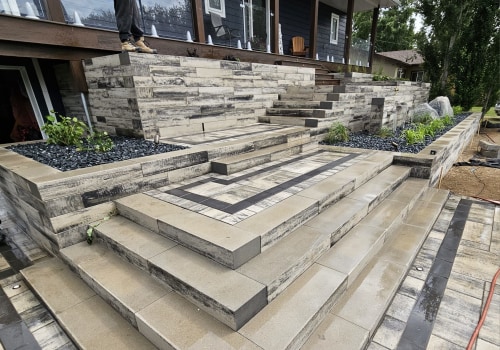
Hardscape construction refers to the non-plant elements of landscape design, encompassing a variety of materials and structures that create functional and aesthetic outdoor spaces. This includes features such as patios, walkways, retaining walls, and driveways, which are essential for enhancing the usability and visual appeal of residential and commercial properties. Unlike softscape, which involves living elements like plants, trees, and grass, hardscape focuses on the permanent fixtures that provide structure and form to outdoor environments. The significance of hardscape construction lies in its ability to transform ordinary spaces into extraordinary landscapes. By integrating durable materials such as stone, brick, and concrete, hardscape elements not only improve the functionality of outdoor areas but also contribute to the overall design theme of a property.
This contrast between hardscape and softscape is crucial; while softscape adds color and life, hardscape provides stability and organization, creating a balanced landscape that is both beautiful and practical. Moreover, the benefits of hardscape are manifold. It requires less maintenance compared to softscape, as it does not need regular watering or pruning. Additionally, well-designed hardscape can increase property value by enhancing curb appeal and creating inviting outdoor spaces for entertainment or relaxation. As homeowners increasingly seek to maximize their outdoor living areas, understanding the fundamentals of hardscape construction becomes essential for making informed design choices that align with current trends.
Sustainable Materials in Hardscape Design
As the demand for environmentally responsible construction practices grows, sustainable materials in hardscape construction have become increasingly popular.Homeowners and designers alike are seeking ways to create beautiful outdoor spaces while minimizing their ecological footprint. This trend not only reflects a commitment to sustainability but also enhances the aesthetic appeal of landscapes.One of the most notable options in eco-friendly hardscaping is the use of recycled materials. These materials can include reclaimed bricks, concrete, and even glass. By repurposing these items, hardscape designers can reduce waste and lower the demand for new resources.
For instance, using reclaimed wood for decking or fencing not only adds character but also contributes to a more sustainable environment.Another popular choice is permeable paving. This innovative solution allows water to infiltrate through the surface, reducing runoff and promoting groundwater recharge. Materials such as permeable concrete or porous pavers are excellent options that combine functionality with sustainability.
- Recycled Concrete: Often sourced from demolished structures, this material can be crushed and reused as a base for new hardscape projects.
- Natural Stone: Sourced sustainably, natural stone offers durability and timeless beauty while having a lower environmental impact compared to manufactured products.
- Bamboo: As a rapidly renewable resource, bamboo is an excellent choice for various hardscape elements, including fences and decking.
This shift towards sustainability in hardscape design is not just a trend; it represents a fundamental change in how we approach outdoor living spaces.
Incorporating Natural Stone in Hardscaping
In recent years, natural stone has emerged as a favored choice in hardscape construction, captivating homeowners and designers alike with its unique aesthetic and robust characteristics. The use of natural stone not only enhances the visual appeal of outdoor spaces but also offers a range of practical benefits.Benefits of Natural Stone
- Durability: Natural stone is renowned for its strength and longevity. Unlike synthetic materials, it can withstand harsh weather conditions, making it an ideal choice for patios, walkways, and retaining walls.
- Aesthetic Variety: With a plethora of colors, textures, and patterns available, natural stone allows for endless design possibilities. Each piece is unique, adding character to any landscape.
- Low Maintenance: Once installed, natural stone requires minimal upkeep.
Regular cleaning and occasional sealing are usually sufficient to maintain its beauty.
- Eco-Friendly: Sourced from the earth, natural stone is a sustainable option that does not contribute to environmental degradation like some manufactured materials.
Types of Natural Stone for Hardscapes
When considering natural stone for your hardscape project, several types stand out:
- Granite: Known for its durability and resistance to scratching, granite is perfect for high-traffic areas.
- Limestone: This softer stone offers a warm aesthetic and is often used for patios and walkways.
- Slate: With its rich colors and textures, slate is ideal for creating stunning outdoor features like steps and walls.
- Flagstone: Popular for its flat surfaces, flagstone is commonly used in patios and pathways due to its ease of installation.
The Rise of Outdoor Living Spaces
In recent years, the trend of creating outdoor living spaces has gained significant traction among homeowners looking to enhance their backyards. This shift towards integrating hardscape construction elements into outdoor areas allows for a seamless transition between indoor and outdoor living, making spaces more functional and enjoyable.One of the most popular features in these outdoor living spaces is the hardscape outdoor kitchen. Homeowners are increasingly investing in fully equipped kitchens that include grills, countertops, and even pizza ovens.These kitchens not only provide a place for cooking but also serve as a social hub for family and friends to gather. The use of durable materials such as stone, brick, and concrete ensures that these kitchens withstand the elements while maintaining their aesthetic appeal.Another key component of outdoor living spaces is the design of patios and decks. Current trends emphasize open layouts that encourage flow and connectivity. Homeowners are opting for larger patios that can accommodate dining sets, lounge areas, and fire pits.
The choice of materials plays a crucial role in achieving a cohesive look; natural stone and composite decking are popular choices due to their durability and low maintenance requirements.
- Natural Stone Patios: These provide a rustic charm and blend beautifully with landscaping.
- Composite Decking: Offers the look of wood without the upkeep, making it a practical choice.
- Integrated Fire Features: Fire pits or outdoor fireplaces extend usability into cooler months.
Innovative Lighting Solutions for Hardscapes
In the realm of hardscape construction, innovative lighting solutions are transforming outdoor spaces into stunning visual experiences.Properly designed lighting not only enhances the aesthetic appeal of hardscapes but also significantly improves safety and functionality.
Current Hardscape Lighting Trends
- LED Technology: The use of energy-efficient LED lights is on the rise. These lights offer longevity and versatility, allowing for various color temperatures and brightness levels that can be tailored to specific design needs.
- Smart Lighting: Integration of smart technology enables homeowners to control their outdoor lighting remotely. This includes features like dimming, color changes, and scheduling, providing both convenience and customization.
- Pathway and Step Lighting: Illuminating walkways and steps with subtle lighting not only enhances safety but also guides guests through the landscape, creating a welcoming atmosphere.
Outdoor Lighting Ideas
- Wall Wash Lighting: This technique involves placing lights at the base of walls or hardscape features to create a soft glow that highlights textures and materials.
- Accent Lighting: Use spotlights to draw attention to specific elements such as sculptures, water features, or unique plantings, adding depth and interest to the overall design.
- Underwater Lighting: For hardscapes that include pools or ponds, underwater lighting can create a magical ambiance while ensuring safety during nighttime use.
Well-placed lighting can deter intruders, making properties safer while providing a sense of security for homeowners. Furthermore, thoughtful lighting design can highlight architectural features and landscaping elements, creating a cohesive look that elevates the entire outdoor experience.As trends continue to evolve, embracing innovative lighting solutions in hardscape projects will undoubtedly lead to more functional and visually appealing outdoor environments.
Color Trends in Hardscape Construction
As we move through 2023, color trends in hardscape construction are evolving to reflect both aesthetic preferences and psychological impacts. Homeowners and designers alike are increasingly aware of how color can influence the mood and functionality of outdoor spaces.Popular Colors for Patios and Walkways
This year, several colors have emerged as favorites for patios and walkways:- Earthy Tones: Shades like terracotta, taupe, and warm grays are popular for their ability to blend seamlessly with natural surroundings.
- Cool Blues and Greens: These colors evoke a sense of calm and tranquility, making them ideal for poolside areas or garden paths.
- Bold Charcoal and Black: For a modern touch, darker hues are being used to create striking contrasts against greenery and lighter elements.
- Soft Pastels: Light pinks, blues, and yellows are gaining traction for their ability to add a subtle pop of color without overwhelming the senses.
Color Psychology in Hardscaping
The choice of color in hardscape construction is not merely aesthetic; it also plays a significant role in color psychology. For instance:- Warm Colors: Reds, oranges, and yellows can create an inviting atmosphere, making spaces feel more lively and energetic.
- Cool Colors: Blues and greens tend to promote relaxation and peace, ideal for creating serene outdoor retreats.
- Neutral Colors: Grays, whites, and beiges provide a versatile backdrop that allows other elements in the landscape to shine.
By considering both popular colors and their psychological effects, homeowners can make informed decisions that elevate their hardscape designs.
Integrating Technology into Hardscape Design
As homeowners increasingly seek to enhance their outdoor spaces, the integration of technology into hardscape construction has become a prominent trend. This evolution not only improves aesthetics but also adds functionality and convenience to outdoor living areas.One of the most significant advancements in this area is the use of smart irrigation systems. These systems utilize sensors and weather data to optimize water usage, ensuring that plants receive the right amount of moisture without waste. Homeowners can monitor and control these systems remotely via smartphone apps, making it easier to maintain lush landscapes while conserving water.In addition to irrigation, automated outdoor features are gaining popularity.For instance, automated lighting can enhance safety and ambiance in hardscaped areas. Homeowners can program lights to turn on at dusk or adjust brightness based on the time of year. This not only adds a layer of security but also allows for customizable outdoor experiences.Another exciting trend is the incorporation of smart technology in outdoor entertainment spaces. Features such as built-in speakers, Wi-Fi connectivity, and even outdoor televisions are becoming standard in modern hardscape designs.
These elements create seamless transitions between indoor and outdoor living, allowing homeowners to enjoy their spaces fully.Moreover, advancements in materials technology have led to the development of sustainable hardscaping options. For example, permeable pavers allow for better water drainage and reduce runoff, which is increasingly important in eco-conscious design. Integrating these materials with smart technology can further enhance environmental benefits.As we look to the future, it’s clear that the intersection of technology and hardscape construction will continue to evolve. Homeowners who embrace these innovations not only improve their outdoor spaces but also contribute to a more sustainable and efficient way of living.
FAQs About Hardscape Construction Trends
As hardscape construction continues to evolve, many homeowners and contractors have questions about the latest trends and best practices.Here are some frequently asked questions that can help clarify common concerns.
What are the most popular hardscaping materials right now?
Currently, natural stone, concrete pavers, and permeable paving are among the most sought-after materials in hardscape construction. Natural stone offers a timeless aesthetic, while concrete pavers provide versatility and durability. Permeable paving is gaining traction due to its eco-friendly benefits, allowing water to drain through the surface, reducing runoff.How can I maintain my hardscape features?
Maintaining your hardscape is crucial for longevity and appearance. Here are some tips:- Regular Cleaning: Sweep away debris and use a pressure washer to remove stains.
- Sealants: Apply sealants to protect surfaces from weathering and stains, especially for natural stone.
- Weed Control: Use landscaping fabric or mulch in joints to prevent weed growth.
- Repair Cracks: Address any cracks or damage promptly to avoid further deterioration.
What is the cost of current hardscaping trends?
The cost of hardscaping can vary widely based on materials, design complexity, and labor.On average, homeowners can expect to pay between $15 to $50 per square foot for installation. High-end materials like natural stone may push costs higher, while simpler designs with concrete pavers can be more budget-friendly. It's essential to get multiple quotes from contractors to find the best value for your project.By understanding these aspects of hardscape construction trends, you can make informed decisions that enhance your outdoor space while staying within budget.
Conclusion: Embracing Modern Hardscape Trends
In conclusion, staying abreast of the latest hardscape construction trends is essential for homeowners and professionals alike. As we have explored, the integration of sustainable materials, innovative designs, and multifunctional spaces are shaping the future of outdoor environments. One of the most significant trends is the emphasis on eco-friendly materials.With growing environmental concerns, many are opting for permeable pavers and recycled materials that not only enhance aesthetics but also promote sustainability. This shift not only benefits the planet but also adds value to properties. Additionally, the rise of outdoor living spaces has transformed how we view our backyards. Features such as outdoor kitchens, fire pits, and seating areas are becoming staples in hardscape design. These elements create inviting spaces for entertainment and relaxation, making them essential in modern landscaping. Moreover, the use of technology in hardscape construction cannot be overlooked.
From advanced lighting systems to smart irrigation solutions, technology enhances both functionality and beauty. Homeowners can now control their outdoor environments with ease, ensuring that their landscapes remain vibrant and well-maintained. As we move forward, it is crucial to embrace these trends while also considering personal style and local climate. By doing so, you can create a hardscape that not only meets your needs but also stands the test of time. Ultimately, whether you are a homeowner looking to enhance your property or a professional in the industry, understanding and implementing these modern trends will ensure that your hardscape projects are both relevant and appealing.